Nutrition and wellness
by Admin
Posted on 12-04-2025 06:18 AM
Importance of Nutrition
A well-balanced diet is the foundation of good nutrition. It provides the body with the necessary nutrients, vitamins, and minerals to function properly. A diet that is rich in whole foods, such as fruits, vegetables, whole grains, lean proteins, and healthy fats, can help to prevent chronic diseases, such as heart disease, diabetes, and certain types of cancer. On the other hand, a diet that is high in processed and sugary foods can lead to a range of health problems, including obesity, inflammation, and digestive issues. It's essential to be mindful of our food choices and to make informed decisions about the foods we eat.
Macronutrients and Micronutrients
Macronutrients, such as carbohydrates, proteins, and fats, provide the body with energy and support growth and repair. Carbohydrates are the body's primary source of energy, while proteins are essential for building and repairing tissues. Fats are also an important source of energy and help to absorb vitamins and minerals. Micronutrients, such as vitamins and minerals, are essential for maintaining good health and preventing disease. They play a crucial role in many bodily functions, including immune function, nerve function, and bone health.
Hydration and Nutrition
Adequate hydration is also essential for good nutrition. Water helps to regulate body temperature, transport nutrients and oxygen to cells, and remove waste products. Even mild dehydration can cause a range of symptoms, including fatigue, headaches, and difficulty concentrating. It's essential to drink plenty of water throughout the day, aiming for at least eight glasses per day.

Benefits of Physical Activity
Regular physical activity is essential for maintaining good health and wellbeing. It can help to reduce the risk of chronic diseases, such as heart disease, diabetes, and certain types of cancer, while also improving mental health and wellbeing. Physical activity can take many forms, including aerobic exercise, strength training, and flexibility exercises. Aerobic exercise, such as walking, running, and swimming, can help to improve cardiovascular health, while strength training can help to build muscle and improve bone density. Flexibility exercises, such as yoga and Pilates, can help to improve flexibility and balance.
Types of Physical Activity
There are many types of physical activity to choose from, including team sports, individual sports, and recreational activities. Team sports, such as soccer, basketball, and hockey, can be a great way to improve cardiovascular health and build social connections. Individual sports, such as tennis, golf, and cycling, can be a great way to improve cardiovascular health and build mental toughness. Recreational activities, such as walking, hiking, and dancing, can be a great way to improve cardiovascular health and have fun.
Benefits of Regular Exercise
Regular physical activity can have a range of benefits, including improved cardiovascular health, improved mental health, and improved sleep quality. It can also help to reduce the risk of chronic diseases, such as heart disease, diabetes, and certain types of cancer. Regular exercise can also help to improve cognitive function, including memory and concentration, while also reducing the risk of depression and anxiety.To get more information visit at https://mindandmeridian.com/wellness/exploring-acupuncture-clinic-options
Lifestyle Choices and Wellness
Lifestyle choices, such as smoking, drinking, and stress management, can have a significant impact on our overall wellbeing. Smoking and drinking can increase the risk of chronic diseases, such as heart disease, diabetes, and certain types of cancer, while also reducing life expectancy. Stress management is also essential for maintaining good health and wellbeing. Chronic stress can lead to a range of health problems, including anxiety, depression, and cardiovascular disease.
Stress Management Techniques
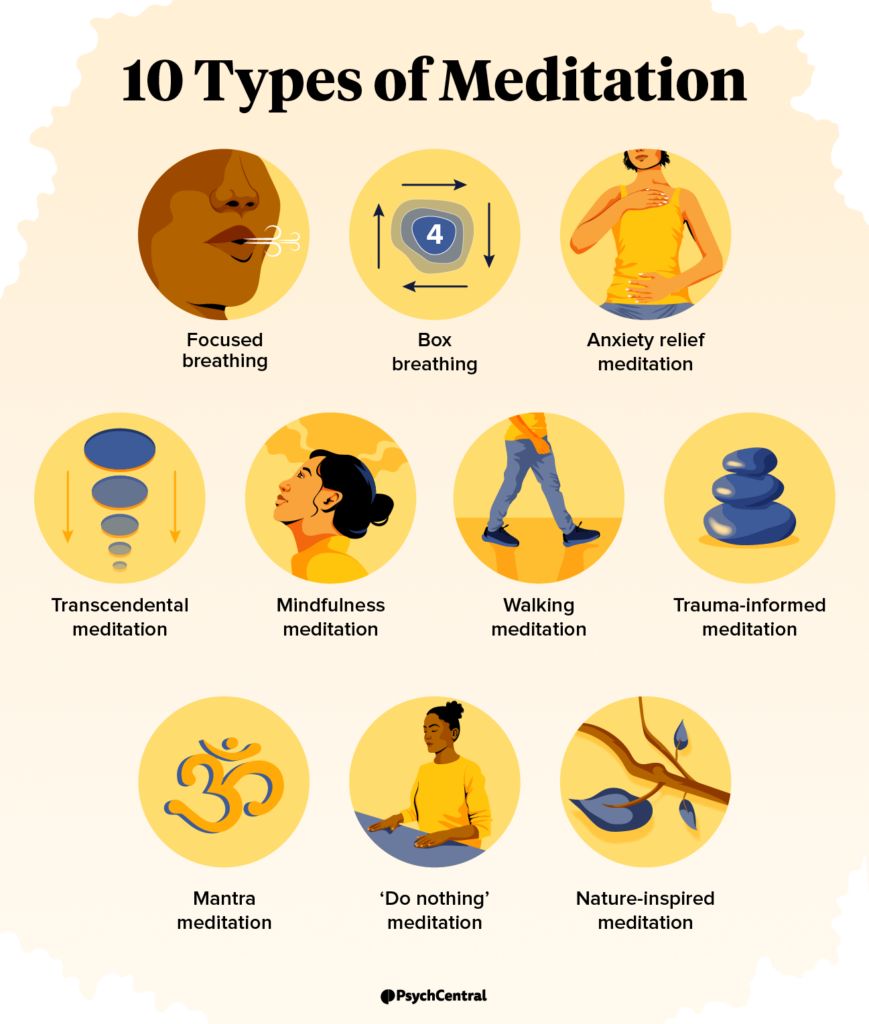
There are many stress management techniques to choose from, including meditation, yoga, and deep breathing exercises. Meditation can help to reduce stress and anxiety, while also improving sleep quality and cognitive function. Yoga can help to reduce stress and anxiety, while also improving flexibility and balance. Deep breathing exercises can help to reduce stress and anxiety, while also improving lung function and overall wellbeing.
Importance of Sleep
Adequate sleep is also essential for maintaining good health and wellbeing. During sleep, the body repairs and regenerates tissues, builds bone and muscle, and strengthens the immune system. Chronic sleep deprivation can lead to a range of health problems, including obesity, diabetes, and cardiovascular disease. It's essential to prioritize sleep and aim for 7-9 hours per night.
Nutrition and Wellness for Different Age Groups
Nutrition and wellness needs can vary across different age groups. Children and adolescents require a diet that is rich in nutrients to support growth and development, while older adults may require a diet that is tailored to their specific health needs. Pregnant and breastfeeding women also require a diet that is rich in nutrients to support the health of their baby.
Nutrition for Children and Adolescents
Children and adolescents require a diet that is rich in nutrients to support growth and development. A diet that is high in whole foods, such as fruits, vegetables, whole grains, lean proteins, and healthy fats, can help to support healthy growth and development. It's also essential to limit sugary and processed foods, which can lead to a range of health problems, including obesity and tooth decay.
Nutrition for Older Adults
Older adults may require a diet that is tailored to their specific health needs. A diet that is rich in nutrients, such as calcium and vitamin D, can help to support bone health, while a diet that is low in sodium can help to reduce the risk of heart disease. It's also essential to stay hydrated and to limit sugary and processed foods.
Mental Health and Wellness
Mental health and wellness are essential aspects of our overall wellbeing. Mental health problems, such as anxiety and depression, can have a significant impact on our quality of life, while also increasing the risk of chronic diseases, such as heart disease and diabetes. It's essential to prioritize mental health and wellbeing, through techniques such as meditation, yoga, and deep breathing exercises.
Importance of Self-Care
Self-care is essential for maintaining good mental health and wellbeing. It involves taking care of our physical, emotional, and mental needs, through activities such as exercise, meditation, and spending time with loved ones. Self-care can help to reduce stress and anxiety, while also improving mood and overall wellbeing.
Benefits of Mindfulness
Mindfulness is a powerful tool for maintaining good mental health and wellbeing. It involves being present in the moment, without judgment or distraction. Mindfulness can help to reduce stress and anxiety, while also improving mood and overall wellbeing. It can also help to improve cognitive function, including memory and concentration.
There is no h2 section content provided. Please provide the h2 section content so I can assist you with adding the anchor text and link. I will keep the content structure intact and add the anchor naturally within the paragraph.
Conclusion
Nutrition and wellness are essential aspects of our lives that play a crucial role in maintaining our overall health and wellbeing. A well-balanced diet provides the body with the necessary nutrients, vitamins, and minerals to function properly, while wellness encompasses a broader range of factors, including physical activity, mental health, and lifestyle choices. By prioritizing nutrition and wellness, we can prevent chronic diseases, boost energy levels, and improve our quality of life.
FAQs
What are the benefits of a well-balanced diet?
A well-balanced diet provides the body with the necessary nutrients, vitamins, and minerals to function properly, while also reducing the risk of chronic diseases, such as heart disease, diabetes, and certain types of cancer.
How much physical activity do I need to stay healthy?
The amount of physical activity needed to stay healthy can vary depending on age and health status, but most adults need at least 150 minutes of moderate-intensity aerobic exercise per week.
What are the benefits of mindfulness?
Mindfulness can help to reduce stress and anxiety, while also improving mood and overall wellbeing. It can also help to improve cognitive function, including memory and concentration.
How can I prioritize self-care?
Self-care involves taking care of our physical, emotional, and mental needs, through activities such as exercise, meditation, and spending time with loved ones. It's essential to make self-care a priority and to schedule time for self-care into our daily routine.
What are the risks of chronic sleep deprivation?
Chronic sleep deprivation can lead to a range of health problems, including obesity, diabetes, and cardiovascular disease. It's essential to prioritize sleep and aim for 7-9 hours per night.
How can I manage stress?
There are many stress management techniques to choose from, including meditation, yoga, and deep breathing exercises. It's essential to find a technique that works for you and to make stress management a priority.