Financial Literacy
by Admin
Posted on 10-06-2025 09:45 AM

What is Financial Literacy?
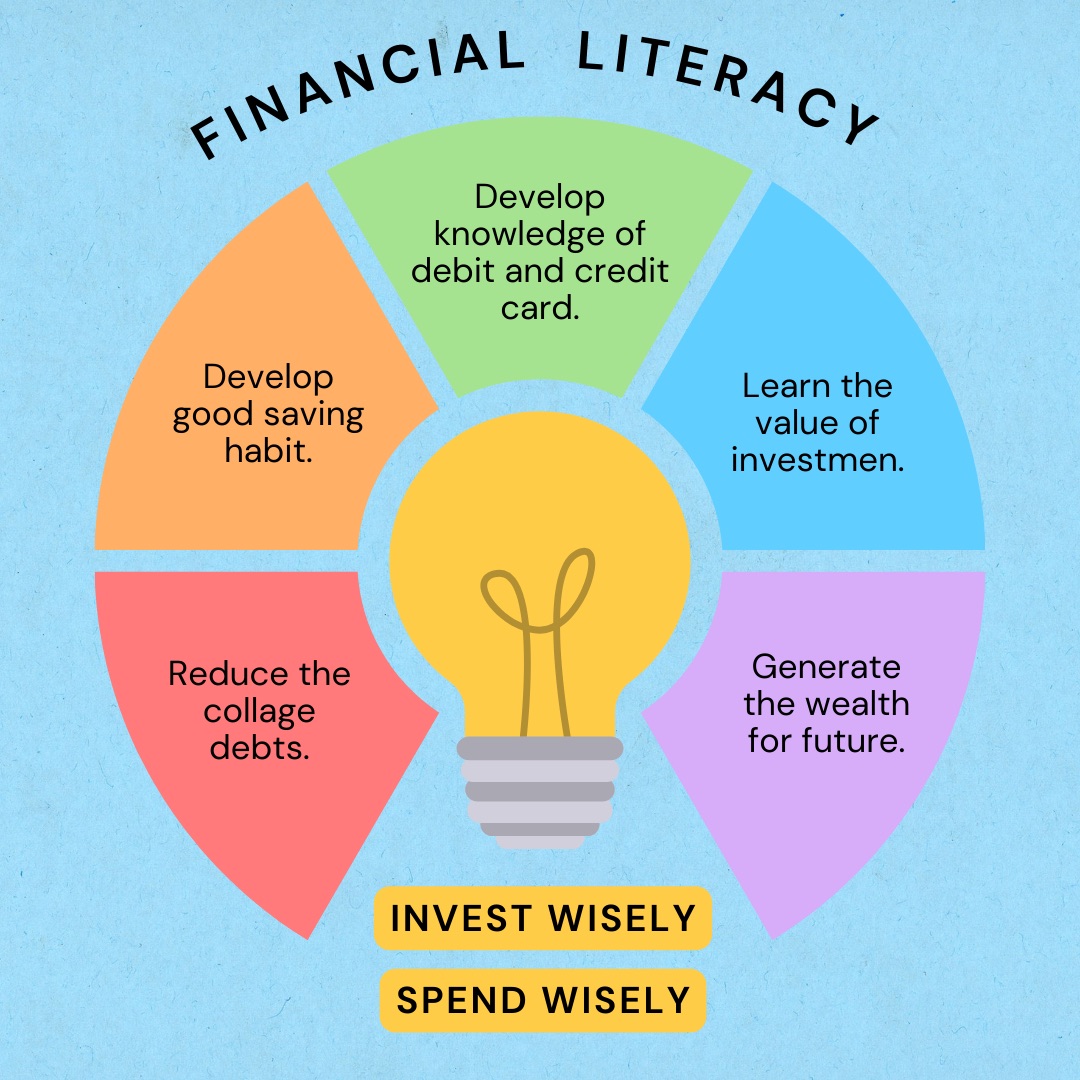
Financial literacy is the foundation of personal finance. It involves understanding financial concepts, such as financial planning, budgeting, saving, investing, and managing debt. Financial literacy also involves being able to make informed decisions about financial products and services, such as credit cards, loans, and investments. Having a good understanding of financial literacy can help individuals to achieve their financial goals, such as buying a home, retirement, or paying for education.
Importance of Financial Literacy
Financial literacy is important for several reasons. Firstly, it helps individuals to make informed decisions about their money. Without financial literacy, individuals may make poor financial decisions, such as taking on too much debt or investing in unsuitable products. Secondly, financial literacy helps individuals to achieve their financial goals. For example, understanding how to save and invest can help individuals to accumulate wealth over time. Finally, financial literacy can help individuals to avoid financial pitfalls, such as bankruptcy or foreclosure.
Benefits of Financial Literacy
The benefits of financial literacy are numerous. Some of the benefits include:
Improved Financial Decision Making
Financial literacy helps individuals to make informed decisions about their money. With a good understanding of financial concepts, individuals can evaluate financial products and services, and make choices that are in their best interests.
Increased Wealth
Financial literacy can help individuals to accumulate wealth over time. By understanding how to save and invest, individuals can build wealth and achieve their long-term financial goals.
Reduced Financial Stress
Financial literacy can help individuals to reduce financial stress. By having a good understanding of their finances, individuals can avoid financial pitfalls, such as debt or bankruptcy.
How to Improve Financial Literacy
Improving financial literacy requires a combination of education, experience, and practice. Some ways to improve financial literacy include:
Taking a Financial Literacy Course
There are many financial literacy courses available, both online and offline. These courses can provide individuals with a comprehensive understanding of financial concepts, and help them to develop practical skills.
Reading Financial Books and Articles
Reading financial books and articles can help individuals to stay up-to-date with the latest financial news and trends. It can also help them to develop a deeper understanding of financial concepts.
Seeking Financial Advice
Seeking financial advice from a professional can help individuals to get personalized advice and guidance. Financial advisors can help individuals to develop a financial plan, and provide them with ongoing support and guidance.
Common Financial Mistakes to Avoid
There are several common financial mistakes that individuals can make. Some of these mistakes include:
Overspending
Overspending is a common financial mistake that can lead to debt and financial difficulties. To avoid overspending, individuals should create a budget, and stick to it.
Not Saving Enough
Not saving enough is another common financial mistake. To avoid this mistake, individuals should make saving a priority, and aim to save at least 10% to 20% of their income.
Not Investing
Not investing is a common financial mistake that can prevent individuals from achieving their long-term financial goals. To avoid this mistake, individuals should start investing early, and be consistent.
Financial Planning
Financial planning is an important aspect of financial literacy. It involves creating a comprehensive plan for managing one's finances, and achieving long-term financial goals. A financial plan should include:
Budgeting
Budgeting is an essential part of financial planning. It involves creating a plan for managing income and expenses, and making sure that there is enough money for savings and investments.
Saving and Investing
Saving and investing are critical components of financial planning. They involve setting aside money for short-term and long-term goals, and investing in assets that have the potential to grow in value over time.
Managing Debt
Managing debt is an important aspect of financial planning. It involves creating a plan for paying off debt, and avoiding debt in the future.
Understanding the importance of Financial Literacy in making informed decisions about money and investing is crucial for individuals and businesses alike.
Conclusion
Financial literacy is a critical aspect of personal finance. It involves having a solid grasp of financial concepts, and being able to make informed decisions about money. By improving financial literacy, individuals can achieve their financial goals, and avoid financial pitfalls. Whether it's through taking a financial literacy course, reading financial books and articles, or seeking financial advice, there are many ways to improve financial literacy.
FAQs
What is financial literacy?
Financial literacy is the ability to understand and manage personal finances effectively.
Why is financial literacy important?
Financial literacy is important because it helps individuals to make informed decisions about their money, achieve their financial goals, and avoid financial pitfalls.
How can I improve my financial literacy?
You can improve your financial literacy by taking a financial literacy course, reading financial books and articles, or seeking financial advice from a professional.
What are some common financial mistakes to avoid?
Some common financial mistakes to avoid include overspending, not saving enough, and not investing.
How can I create a financial plan?
You can create a financial plan by budgeting, saving and investing, and managing debt.
What are the benefits of financial literacy?
The benefits of financial literacy include improved financial decision making, increased wealth, and reduced financial stress.